

Let’s be honest — watering a garden can feel like a guilty pleasure sometimes. You watch the sprinkler dance across your tomatoes, and part of you wonders, “Is this really okay?” Especially during a dry spell. Well, here’s the deal: greywater recycling systems for garden irrigation are not just a trend. They’re a legit, down-to-earth solution that saves water, cuts bills, and keeps your plants happy. And no, it’s not gross. Let’s dive in.
What Exactly Is Greywater? (And What It Isn’t)
First things first — greywater is the gently used water from your sinks, showers, bathtubs, and washing machines. It’s not water from toilets (that’s blackwater, and you definitely don’t want that on your petunias). Think of it as the middle child of household water — not too dirty, not too clean. It’s got a bit of soap, some hair, maybe a few lint fibers. But honestly? Your plants don’t mind a little suds.
The magic happens when you divert this water away from the sewer and into your garden. Greywater recycling systems do exactly that — they capture, filter, and sometimes treat the water before it soaks into your soil. It’s like giving your plants a second-hand drink… but in a good way.
Why Bother? The Real-World Benefits
Sure, you could just keep using tap water. But let’s look at the numbers. The average household generates about 40 to 50 gallons of greywater per day. That’s enough to irrigate a decent-sized vegetable patch or a flower border. Over a year, we’re talking thousands of gallons — water that would otherwise vanish down the drain.
Here’s a quick breakdown of why people are making the switch:
- Lower water bills — especially in summer when gardens guzzle water.
- Drought resilience — your garden keeps thriving even during restrictions.
- Reduced strain on municipal systems — less water to treat and pump.
- Healthier soil — some greywater contains nutrients like nitrogen and phosphorus.
- Peace of mind — you’re using a resource that’s literally free and abundant.
That said — not all greywater is created equal. You’ve gotta be smart about what goes down the drain. Harsh chemicals, bleach, and certain detergents can harm plants. More on that later.
Types of Greywater Systems: From Simple to Smart
Alright, so you’re interested. But where do you start? Greywater systems range from the super basic to the borderline sci-fi. Let’s walk through the main types.
1. The Bucket Method (Yes, Really)
This is as low-tech as it gets. You collect water from your shower or sink in a bucket and carry it outside. It’s free, requires zero installation, and works fine for small gardens. But it’s also a workout — literally. And you might forget to do it on a rainy day. Still, for a single potted plant or a tiny herb garden? Totally valid.
2. Manual Diverter Systems
A step up from the bucket. You install a valve on your washing machine drain pipe that lets you switch between sending water to the sewer or to a hose leading outside. It’s cheap (under $100) and easy to install. The downside? You have to manually flip the valve each time. And if you forget… well, your garden stays thirsty.
3. Gravity-Fed Systems
These use gravity to move water from your house to the garden. No pumps, no electricity. They usually involve a simple filter (to catch hair and lint) and a network of pipes that slope downward. They’re reliable and low-maintenance, but they require careful planning — you need the right slope and the right layout.
4. Pumped and Filtered Systems
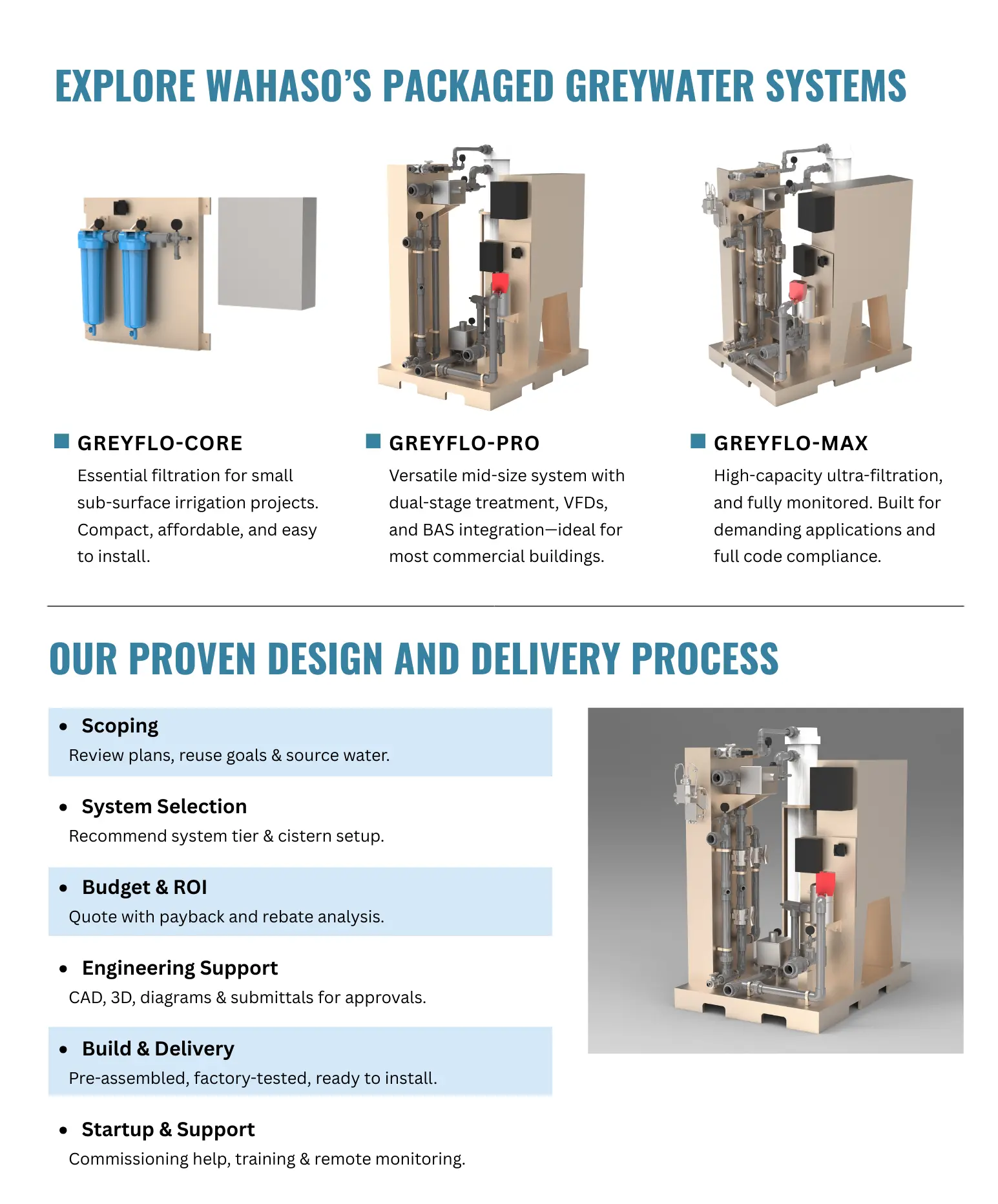
Now we’re talking. These systems use a pump to move water uphill or over longer distances. They often include a multi-stage filter — sometimes even a UV treatment unit. They’re more expensive (think $1,000 to $5,000 installed) but they’re also more versatile. You can irrigate a large lawn or a raised bed garden with minimal effort.
5. Advanced Treatment Systems
These are the Ferraris of greywater recycling. They treat the water to near-potable quality — though you still wouldn’t drink it. They use biological filters, sand filters, and UV light. They’re overkill for most home gardens, but if you’re running a commercial nursery or have strict local regulations, they might be necessary.
What Plants Like (and Don’t Like) Greywater?
Not every plant is a fan. Some are picky. Here’s a quick table to help you decide what to irrigate:
| Plant Type | Greywater Tolerance | Notes |
|---|---|---|
| Fruit trees (citrus, apple) | High | Great for deep-rooted trees |
| Ornamental shrubs | High | Roses, lavender, hibiscus |
| Lawn grass | Moderate | Fine if not overwatered |
| Vegetables (leafy greens) | Low | Risk of pathogens; use with caution |
| Root vegetables (carrots, potatoes) | Low | Direct contact with soil is risky |
| Succulents and cacti | Low | Too much moisture; also salt-sensitive |
Honestly, the safest bet is to use greywater on ornamental plants, trees, and shrubs. For veggies? Stick to subsurface irrigation — bury the pipes so water doesn’t touch the edible parts. And always rotate with fresh water if you can.
Soap, Detergent, and Other Chemistry Lessons
Here’s where people get nervous. “Won’t soap kill my plants?” Well, it depends. Most liquid soaps and biodegradable detergents are fine in small amounts. But powder detergents? They often contain sodium, boron, and chlorine — all bad news for soil. Over time, sodium builds up and can turn your garden into a salt flat.
Pro tip: Look for greywater-safe products — usually labeled as “biodegradable,” “low-sodium,” or “plant-friendly.” Avoid bleach, fabric softeners, and anything with “antibacterial” on the label. Your plants will thank you.
Also — never store greywater for more than 24 hours. It starts to smell, and bacteria multiply fast. Use it fresh, or let it flow directly into the soil. Think of it like leftover coffee: drink it now, or it gets weird.
Installation: DIY vs. Professional
So you’ve decided to take the plunge. Should you DIY or call a pro? It depends on your comfort level and local laws.
DIY is totally doable for a simple washing machine diverter. You’ll need a few PVC pipes, a valve, and some basic plumbing skills. There are kits available online for under $200. Just check your local codes first — some areas require permits or inspections.
For a whole-house system? Honestly, hire a pro. You’re dealing with pumps, filters, and sometimes electrical work. A licensed plumber or greywater specialist can save you headaches — and potential fines. Expect to pay between $1,500 and $6,000 for a fully installed system, depending on complexity.
Maintenance: Keep It Flowing
Greywater systems aren’t set-and-forget. They need a little love. Here’s what you’ll be doing:
- Clean the filter every week or two — lint and hair build up fast.
- Flush the lines with fresh water monthly to prevent sludge.
- Check for leaks — especially at joints and valves.
- Test soil pH every season to watch for salt buildup.
- Switch detergents if you notice plant stress.
It’s not a huge time sink — maybe 15 minutes a month. But skip it, and you’ll end up with clogged pipes and sad plants. Kind of like ignoring your car’s oil change. Eventually, it catches up.
Legal Stuff: Can You Even Do This?
Ah, the boring but important part. Greywater laws vary wildly. In some states (like California and Arizona), it’s encouraged — there are even rebates. In others, you need a permit and a licensed installer. Some places outright ban it for edible gardens.
Always check with your local building department or water authority. A quick phone call can save you a world of trouble. And if you’re renting? Get permission from your landlord first. Trust me — it’s easier than explaining why you’ve got pipes running through the backyard.
The Bigger Picture: Why This Matters Now
We’re living in a time where water scarcity is becoming… well, normal. Droughts are longer, summers are hotter, and municipal water prices keep creeping up. Greywater recycling isn’t just a clever hack — it’s a small act of rebellion against waste. Every gallon you reuse is a gallon that stays in the aquifer, or the river, or the reservoir.
And here’s the thing: it feels good. There’s something deeply satisfying about watching your garden thrive on water that would’ve been flushed away. It’s like closing a loop — a quiet, everyday kind of magic.
So whether you start with a bucket or a full-blown system, you’re already ahead of the curve. Your plants will drink it up. Your wallet will breathe easier. And honestly? The planet will thank you too.
[Meta title: Greywater Recycling Systems for Garden Irrigation: A Complete Guide | Meta Description: Learn how to install and
You May Like

